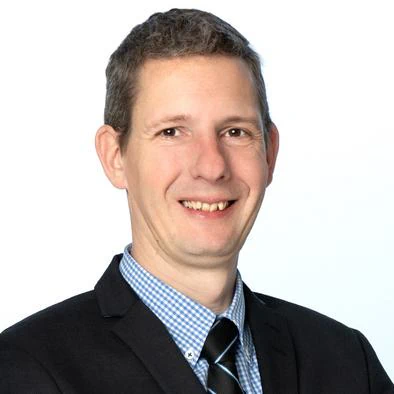
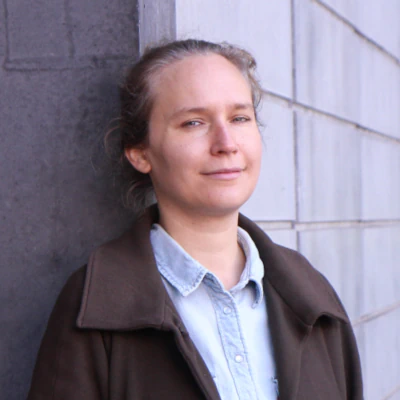
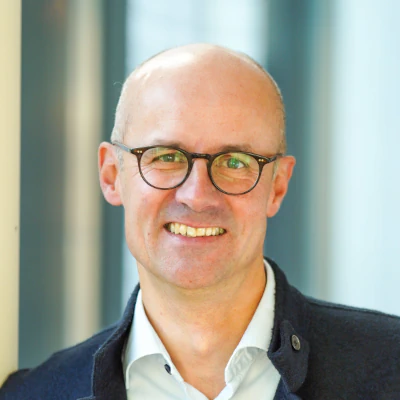
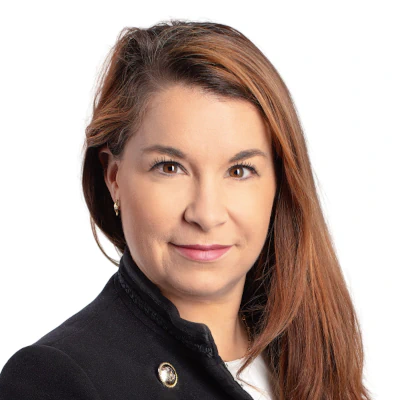
Keynotes
Information about the keynotes.
SE2026 takes place from Monday, 23 – Friday, 27 February 2026 in Bern, Switzerland.
Note for workshop participants: The 4.61 Piazza room on the 4th floor (the Coffee Area) is booked for us the whole day on both Monday and Tuesday, so you may work and relax there if you are not attending a workshop session.
Location: Workspace Welle7
| 6.61 Raum L+ | 5.58 Raum L+ | 5.55 Raum L | |
|---|---|---|---|
08:30 | RegistrationStart: 08:30 End: 09:00 Room: Reception (3rd Floor) RegistrationStart: 08:30 End: 09:00 Room: Reception (3rd Floor) | ||
09:00 | Q-STAV 2026Start: 09:00 End: 10:00 Link: Q-STAV 2026 Room: 6.61 Raum L+ Organisation:
DescriptionQuantum computers can solve certain computational problems which are not effectively solvable by classical computers. Over the past years, significant progress has been made in the development of quantum computing hardware, thus paving the way to practically usable mid-size quantum computers in the foreseeable future. To enable today’s and future developers of quantum software to fully exploit these potentials, we require software, tools and engineering techniques established for classical software engineering also for the quantum computing stack. This requires collaborative research across a wide range of disciplines including programming languages and software abstractions, compiler construction, software testing and verification as well as processes, guidelines and benchmarks for developing new quantum algorithms and deploying them on target hardware. The goal of this workshop is to bring together researchers from classical software engineering and from quantum computing to shape the research agenda for the upcoming era of quantum software engineering. | EAPROG 2026Start: 09:00 End: 10:00 Link: EAPROG 2026 Room: 5.58 Raum L+ Organisation:
DescriptionAt the Vienna University of Economics and Business, Bachelor’s students can learn object-oriented programming from the ground up. They are, among other things, able to develop portable programs with graphical user interfaces for Windows, macOS, and Linux. This is possible within just one semester, over 60 in-class hours with a total workload of 200 hours — 8 European Credit Transfer System (ECTS) credits. This workshop focuses on the factors that make this possible, including the course objectives, course materials, applied pedagogical principles, and the programming language taught. Participants in the workshop will be able to teach the course themselves. | |
10:00 | Coffee BreakStart: 10:00 End: 10:30 Room: 4.61 Piazza Coffee BreakStart: 10:00 End: 10:30 Room: 4.61 Piazza | ||
10:30 | Q-STAV 2026Start: 10:30 End: 12:00 Link: Q-STAV 2026 Room: 6.61 Raum L+ Organisation:
DescriptionQuantum computers can solve certain computational problems which are not effectively solvable by classical computers. Over the past years, significant progress has been made in the development of quantum computing hardware, thus paving the way to practically usable mid-size quantum computers in the foreseeable future. To enable today’s and future developers of quantum software to fully exploit these potentials, we require software, tools and engineering techniques established for classical software engineering also for the quantum computing stack. This requires collaborative research across a wide range of disciplines including programming languages and software abstractions, compiler construction, software testing and verification as well as processes, guidelines and benchmarks for developing new quantum algorithms and deploying them on target hardware. The goal of this workshop is to bring together researchers from classical software engineering and from quantum computing to shape the research agenda for the upcoming era of quantum software engineering. | EAPROG 2026Start: 10:30 End: 12:00 Link: EAPROG 2026 Room: 5.58 Raum L+ Organisation:
DescriptionAt the Vienna University of Economics and Business, Bachelor’s students can learn object-oriented programming from the ground up. They are, among other things, able to develop portable programs with graphical user interfaces for Windows, macOS, and Linux. This is possible within just one semester, over 60 in-class hours with a total workload of 200 hours — 8 European Credit Transfer System (ECTS) credits. This workshop focuses on the factors that make this possible, including the course objectives, course materials, applied pedagogical principles, and the programming language taught. Participants in the workshop will be able to teach the course themselves. | |
12:00 | |||
13:30 | Q-STAV 2026Start: 13:30 End: 15:00 Link: Q-STAV 2026 Room: 6.61 Raum L+ Organisation:
DescriptionQuantum computers can solve certain computational problems which are not effectively solvable by classical computers. Over the past years, significant progress has been made in the development of quantum computing hardware, thus paving the way to practically usable mid-size quantum computers in the foreseeable future. To enable today’s and future developers of quantum software to fully exploit these potentials, we require software, tools and engineering techniques established for classical software engineering also for the quantum computing stack. This requires collaborative research across a wide range of disciplines including programming languages and software abstractions, compiler construction, software testing and verification as well as processes, guidelines and benchmarks for developing new quantum algorithms and deploying them on target hardware. The goal of this workshop is to bring together researchers from classical software engineering and from quantum computing to shape the research agenda for the upcoming era of quantum software engineering. | ASE 2026Start: 13:30 End: 15:00 Link: ASE 2026 Room: 5.58 Raum L+ Organisation:
DescriptionWith increasingly connected vehicles, modern driver assistance functions, and the ongoing challenges surrounding highly and fully automated driving, automotive software today is more central than ever. In addition to the steadily growing functional complexity, ever stricter requirements for reliability, functional safety, IT security, and data protection must be met. Intuitive, multimodal human-machine interaction through speech, gestures, or personalized interfaces is also gaining in importance. The trend toward comprehensive networking and digitalization in vehicles continues: value-added services such as social media, streaming, or office applications are increasingly being systematically integrated and can be used safely and context-sensitively even while driving. The 23rd Workshop on Automotive Software Engineering is dedicated to the challenges of software development in the automotive sector and addresses suitable methods, techniques, and tools. Current challenges and solution approaches in automotive software engineering will be discussed. A particular focus is on the use of agile methods in regulated environments. Contributions from all areas of software development for modern vehicles are explicitly welcome. | RDMxSE 2026Start: 13:30 End: 15:00 Link: RDMxSE 2026 Room: 5.55 Raum L Organisation:
DescriptionIm Rahmen von NFDIxCS werden zentrale Services entwickelt, die Software-Engineering-Forschende entlang des Forschungsprozesses unterstützen, insbesondere in der nachhaltigen Begutachtung, Veröffentlichung und Wiederverwendung von Forschungsartefakten. Ziel dieses Workshops ist es, diese Services praxisnah vorzustellen, gemeinsam mit der Community zu erkunden und gezielt Feedback aus der Software-Engineering-Forschung zu sammeln. Der Workshop richtet sich an Forschende, die ihre Forschung transparenter, reproduzierbarer und nachhaltiger gestalten möchten und Interesse an Open Science, FAIR-Prinzipien und moderner Forschungsdateninfrastruktur haben. |
15:00 | Coffee BreakStart: 15:00 End: 15:30 Room: 4.61 Piazza Coffee BreakStart: 15:00 End: 15:30 Room: 4.61 Piazza | ||
15:30 | Q-STAV 2026Start: 15:30 End: 17:30 Link: Q-STAV 2026 Room: 6.61 Raum L+ Organisation:
DescriptionQuantum computers can solve certain computational problems which are not effectively solvable by classical computers. Over the past years, significant progress has been made in the development of quantum computing hardware, thus paving the way to practically usable mid-size quantum computers in the foreseeable future. To enable today’s and future developers of quantum software to fully exploit these potentials, we require software, tools and engineering techniques established for classical software engineering also for the quantum computing stack. This requires collaborative research across a wide range of disciplines including programming languages and software abstractions, compiler construction, software testing and verification as well as processes, guidelines and benchmarks for developing new quantum algorithms and deploying them on target hardware. The goal of this workshop is to bring together researchers from classical software engineering and from quantum computing to shape the research agenda for the upcoming era of quantum software engineering. | ASE 2026Start: 15:30 End: 17:00 Link: ASE 2026 Room: 5.58 Raum L+ Organisation:
DescriptionWith increasingly connected vehicles, modern driver assistance functions, and the ongoing challenges surrounding highly and fully automated driving, automotive software today is more central than ever. In addition to the steadily growing functional complexity, ever stricter requirements for reliability, functional safety, IT security, and data protection must be met. Intuitive, multimodal human-machine interaction through speech, gestures, or personalized interfaces is also gaining in importance. The trend toward comprehensive networking and digitalization in vehicles continues: value-added services such as social media, streaming, or office applications are increasingly being systematically integrated and can be used safely and context-sensitively even while driving. The 23rd Workshop on Automotive Software Engineering is dedicated to the challenges of software development in the automotive sector and addresses suitable methods, techniques, and tools. Current challenges and solution approaches in automotive software engineering will be discussed. A particular focus is on the use of agile methods in regulated environments. Contributions from all areas of software development for modern vehicles are explicitly welcome. | RDMxSE 2026Start: 15:30 End: 17:00 Link: RDMxSE 2026 Room: 5.55 Raum L Organisation:
DescriptionIm Rahmen von NFDIxCS werden zentrale Services entwickelt, die Software-Engineering-Forschende entlang des Forschungsprozesses unterstützen, insbesondere in der nachhaltigen Begutachtung, Veröffentlichung und Wiederverwendung von Forschungsartefakten. Ziel dieses Workshops ist es, diese Services praxisnah vorzustellen, gemeinsam mit der Community zu erkunden und gezielt Feedback aus der Software-Engineering-Forschung zu sammeln. Der Workshop richtet sich an Forschende, die ihre Forschung transparenter, reproduzierbarer und nachhaltiger gestalten möchten und Interesse an Open Science, FAIR-Prinzipien und moderner Forschungsdateninfrastruktur haben. |
17:00 | |||
17:30 | |||
Location: Workspace Welle7
| 5.58 Raum L+ | 5.20 Raum L | 5.55 Raum L | |
|---|---|---|---|
08:30 | RegistrationStart: 08:30 End: 09:00 Room: Reception (3rd Floor) RegistrationStart: 08:30 End: 09:00 Room: Reception (3rd Floor) | ||
09:00 | SECPPS 2026Start: 09:00 End: 10:00 Link: SECPPS 2026 Room: 5.58 Raum L+ Organisation:
DescriptionSoftware plays an increasingly important role in assuring effective and efficient operation of industrial automation engineering systems. This interactive half-day workshop shall discuss software engineering methods to support the maintenance of Cyber-Physical Production Systems (SECPPS'26). This workshop edition, which lines up in a series of gatherings initiated at SE'21, shall consist of paper presentations and lightning talks, with a focus on discussing the presented topics. At SE2026, the workshop aims to strengthen the roots of the SECPPS community within the German-speaking SE community and to engage with practitioners from the industrial setting in Switzerland. | AvioSE 2026Start: 09:00 End: 10:00 Link: AvioSE 2026 Room: 5.20 Raum L Organisation:
Description“Avionics” is derived from “Aviation Electronics”. Software engineering for such avionics systems is driven substantially by safety. Its grand challenges are demanding fault tolerance and graceful degradation, maintaining determinism despite of increasing complexity, rising certification effort, and increasing cost and time pressures. The previous decade of aviation is characterized by disruptive requirements for electrification and automation. New software development methodologies are required for fast adaptation of future applications, e.g., advanced air mobility (AAM), aircrew (workload) reduction, and electric aircraft. At the same time, there are still many unsolved issues in communication and navigation in airspace, certification of new hardware platforms, such as multi/many-core processors, artificial intelligence (AI) as well as cyber-security. The objective of the workshop is to foster the synergy between the software engineering and avionics systems community and provide a platform for exchanging new software engineering methods, tools, and techniques applied in avionics to accelerate innovation in aviation. | RDMxSE 2026Start: 09:00 End: 10:00 Link: RDMxSE 2026 Room: 5.55 Raum L Organisation:
DescriptionIm Rahmen von NFDIxCS werden zentrale Services entwickelt, die Software-Engineering-Forschende entlang des Forschungsprozesses unterstützen, insbesondere in der nachhaltigen Begutachtung, Veröffentlichung und Wiederverwendung von Forschungsartefakten. Ziel dieses Workshops ist es, diese Services praxisnah vorzustellen, gemeinsam mit der Community zu erkunden und gezielt Feedback aus der Software-Engineering-Forschung zu sammeln. Der Workshop richtet sich an Forschende, die ihre Forschung transparenter, reproduzierbarer und nachhaltiger gestalten möchten und Interesse an Open Science, FAIR-Prinzipien und moderner Forschungsdateninfrastruktur haben. |
10:00 | Coffee BreakStart: 10:00 End: 10:30 Room: 4.61 Piazza Coffee BreakStart: 10:00 End: 10:30 Room: 4.61 Piazza | ||
10:30 | SECPPS 2026Start: 10:30 End: 12:00 Link: SECPPS 2026 Room: 5.58 Raum L+ Organisation:
DescriptionSoftware plays an increasingly important role in assuring effective and efficient operation of industrial automation engineering systems. This interactive half-day workshop shall discuss software engineering methods to support the maintenance of Cyber-Physical Production Systems (SECPPS'26). This workshop edition, which lines up in a series of gatherings initiated at SE'21, shall consist of paper presentations and lightning talks, with a focus on discussing the presented topics. At SE2026, the workshop aims to strengthen the roots of the SECPPS community within the German-speaking SE community and to engage with practitioners from the industrial setting in Switzerland. | AvioSE 2026Start: 10:30 End: 12:00 Link: AvioSE 2026 Room: 5.20 Raum L Organisation:
Description“Avionics” is derived from “Aviation Electronics”. Software engineering for such avionics systems is driven substantially by safety. Its grand challenges are demanding fault tolerance and graceful degradation, maintaining determinism despite of increasing complexity, rising certification effort, and increasing cost and time pressures. The previous decade of aviation is characterized by disruptive requirements for electrification and automation. New software development methodologies are required for fast adaptation of future applications, e.g., advanced air mobility (AAM), aircrew (workload) reduction, and electric aircraft. At the same time, there are still many unsolved issues in communication and navigation in airspace, certification of new hardware platforms, such as multi/many-core processors, artificial intelligence (AI) as well as cyber-security. The objective of the workshop is to foster the synergy between the software engineering and avionics systems community and provide a platform for exchanging new software engineering methods, tools, and techniques applied in avionics to accelerate innovation in aviation. | RDMxSE 2026Start: 10:30 End: 12:00 Link: RDMxSE 2026 Room: 5.55 Raum L Organisation:
DescriptionIm Rahmen von NFDIxCS werden zentrale Services entwickelt, die Software-Engineering-Forschende entlang des Forschungsprozesses unterstützen, insbesondere in der nachhaltigen Begutachtung, Veröffentlichung und Wiederverwendung von Forschungsartefakten. Ziel dieses Workshops ist es, diese Services praxisnah vorzustellen, gemeinsam mit der Community zu erkunden und gezielt Feedback aus der Software-Engineering-Forschung zu sammeln. Der Workshop richtet sich an Forschende, die ihre Forschung transparenter, reproduzierbarer und nachhaltiger gestalten möchten und Interesse an Open Science, FAIR-Prinzipien und moderner Forschungsdateninfrastruktur haben. |
12:00 | |||
13:30 | GenSE 2026Start: 13:30 End: 15:00 Link: GenSE 2026 Room: 5.58 Raum L+ Organisation:
DescriptionThe main topic of the workshop is artificial intelligence in the field of software engineering, with a focus on neuro-symbolic AI. The goal of the workshop is to engage with current methods and tools in the area of generative AI and to explore new applications in software development. In particular, we aim to emphasize neuro-symbolic approaches that combine machine learning (ML) with symbolic AI methods (i.e., knowledge representation and reasoning based on symbolic logic) in order to improve the reliability and robustness of generative models. | AvioSE 2026Start: 13:30 End: 15:00 Link: AvioSE 2026 Room: 5.20 Raum L Organisation:
Description“Avionics” is derived from “Aviation Electronics”. Software engineering for such avionics systems is driven substantially by safety. Its grand challenges are demanding fault tolerance and graceful degradation, maintaining determinism despite of increasing complexity, rising certification effort, and increasing cost and time pressures. The previous decade of aviation is characterized by disruptive requirements for electrification and automation. New software development methodologies are required for fast adaptation of future applications, e.g., advanced air mobility (AAM), aircrew (workload) reduction, and electric aircraft. At the same time, there are still many unsolved issues in communication and navigation in airspace, certification of new hardware platforms, such as multi/many-core processors, artificial intelligence (AI) as well as cyber-security. The objective of the workshop is to foster the synergy between the software engineering and avionics systems community and provide a platform for exchanging new software engineering methods, tools, and techniques applied in avionics to accelerate innovation in aviation. | |
15:00 | Coffee BreakStart: 15:00 End: 15:30 Room: 4.61 Piazza Coffee BreakStart: 15:00 End: 15:30 Room: 4.61 Piazza | ||
15:30 | GenSE 2026Start: 15:30 End: 17:00 Link: GenSE 2026 Room: 5.58 Raum L+ Organisation:
DescriptionThe main topic of the workshop is artificial intelligence in the field of software engineering, with a focus on neuro-symbolic AI. The goal of the workshop is to engage with current methods and tools in the area of generative AI and to explore new applications in software development. In particular, we aim to emphasize neuro-symbolic approaches that combine machine learning (ML) with symbolic AI methods (i.e., knowledge representation and reasoning based on symbolic logic) in order to improve the reliability and robustness of generative models. | AvioSE 2026Start: 15:30 End: 17:00 Link: AvioSE 2026 Room: 5.20 Raum L Organisation:
Description“Avionics” is derived from “Aviation Electronics”. Software engineering for such avionics systems is driven substantially by safety. Its grand challenges are demanding fault tolerance and graceful degradation, maintaining determinism despite of increasing complexity, rising certification effort, and increasing cost and time pressures. The previous decade of aviation is characterized by disruptive requirements for electrification and automation. New software development methodologies are required for fast adaptation of future applications, e.g., advanced air mobility (AAM), aircrew (workload) reduction, and electric aircraft. At the same time, there are still many unsolved issues in communication and navigation in airspace, certification of new hardware platforms, such as multi/many-core processors, artificial intelligence (AI) as well as cyber-security. The objective of the workshop is to foster the synergy between the software engineering and avionics systems community and provide a platform for exchanging new software engineering methods, tools, and techniques applied in avionics to accelerate innovation in aviation. | |
17:00 | |||
Location: Wankdorf Stadium
| Champions Lounge | Sky Lounge 1 | Sky Lounge 2 | Sky Lounge 3 | |
|---|---|---|---|---|
08:30 | RegistrationStart: 08:30 End: 09:00 Room: Champions Lounge (Reception Area) (3rd Floor) RegistrationStart: 08:30 End: 09:00 Room: Champions Lounge (Reception Area) (3rd Floor) | |||
09:00 | OpeningStart: 09:00 End: 09:05 Link: Scientific Program (SE) Room: Champions Lounge Speaker: Timo Kehrer (University of Bern (CH)) Scientific Keynote: Maria ChristakisStart: 09:05 End: 10:00 Link: Scientific Keynote: Maria Christakis Room: Champions Lounge Speaker:
Session Chair: Leen Lambers (BTU Cottbus-Senftenberg (DE)) Scientific Keynote: Maria ChristakisStart: 09:05 End: 10:00 Link: Scientific Keynote: Maria Christakis Room: Champions Lounge Scientific Keynote: Maria ChristakisStart: 09:05 End: 10:00 Link: Scientific Keynote: Maria Christakis Room: Champions Lounge Speaker:
Session Chair: Leen Lambers (BTU Cottbus-Senftenberg (DE)) | OpeningStart: 09:00 End: 09:15 Room: Sky Lounge 3 Speaker: Sebastiano Panichella (University of Bern (CH)) OpeningStart: 09:00 End: 09:15 Room: Sky Lounge 3 Session: Simulation & Testing for Autonomous and Cyber-Physical SystemsStart: 09:15 End: 10:00 Link: CHOOSE Forum Room: Sky Lounge 3 Session Chair: Matteo Biagiola (University of St. Gallen (CH)) Program Items"Simulation-based regression testing for Autonomous Vehicles & Overview of Sim2Cloud"Speaker: Christian Birchler (University of Bern (CH)) Format: 17 minutes talk + 7-8 minutes questions "Simulating the Real World: An Introduction to the BeamNG Platform & Generation of 3D Generative models"Speakers: Eva Pigova ( BeamNG GmbH), Damian Boborzi (University of Augsburg (DE)) Format: 17 minutes talk + 7-8 minutes questions Session: Simulation & Testing for Autonomous and Cyber-Physical SystemsStart: 09:15 End: 10:00 Link: CHOOSE Forum Room: Sky Lounge 3 | ||
10:00 | Coffee BreakStart: 10:00 End: 10:30 Room: Champions Lounge (Catering Area) Coffee BreakStart: 10:00 End: 10:30 Room: Champions Lounge (Catering Area) | |||
10:30 | Session: SE4AIStart: 10:30 End: 12:00 Link: Scientific Program (SE) Room: Champions Lounge Session Chair: Regina Hebig (University of Rostock (DE)) Program Items"From Prompts to Templates: A Systematic Prompt Template Analysis for Real-world LLMapps"Author: Yuetian Mao Format: 17 minutes talk + 5 minutes questions "How Toxic Can You Get? Search-based Toxicity Testing for Large Language Models"Authors: Simone Corbo, Luca Bancale, Valeria De Gennaro, Livia Lestingi, Vincenzo Scotti, Matteo Camilli Format: 17 minutes talk + 5 minutes questions "MMDFast: Efficient Understanding of Machine Learning Model Mispredictions"Authors: Martin Eberlein, Jürgen Cito, Lars Grunske Format: 17 minutes talk + 5 minutes questions "TAEFuzz: Automatic Fuzzing for Image-based Deep Learning Systems via Transferable Adversarial Examples"Authors: Shunhui Ji, Changrong Huang, Bin Ren, Hai Dong, Lars Grunske, Yan Xiao, Pengcheng Zhang Format: 17 minutes talk + 5 minutes questions | Session: Architecture & ModelingStart: 10:30 End: 12:00 Link: Scientific Program (SE) Room: Sky Lounge 1 Session Chair: Judith Michael (University of Regensburg (DE)) Program Items"Continuous Integration of Architectural Performance Models with Parametric Dependencies – The CIPM Approach"Authors: Manar Mazkatli, Martin Armbruster, David Monschein, Robert Heinrich, Anne Koziolek Format: 17 minutes talk + 5 minutes questions "Evolution Patterns of Software-Architecture Smells"Authors: Philipp Gnoyke, Sandro Schulze, Jacob Krüger Format: 17 minutes talk + 5 minutes questions "Model-based Proactive Self-Adaptation for Cloud Systems"Authors: Raphael Straub, Sarah Stieß, Steffen Becker, Matthias Tichy Format: 17 minutes talk + 5 minutes questions "Refactoring with Confidence: An Assistant for Repair- Integrated Refactoring in Block-based Industrial Models (Summary)"Authors: Michael Oberlehner, Bianca Wiesmayr, Alois Zoitl Format: 17 minutes talk + 5 minutes questions Session: Architecture & ModelingStart: 10:30 End: 12:00 Link: Scientific Program (SE) Room: Sky Lounge 1 | Session: VerificationStart: 10:30 End: 12:00 Link: Scientific Program (SE) Room: Sky Lounge 2 Session Chair: Falk Howar (TU Dortmund (DE)) Program Items"Exploring Development Methods for Reactive Synthesis Specifications"Authors: Dor Ma’Ayan, Shahar Maoz, Jan Oliver Ringert Format: 17 minutes talk + 5 minutes questions "Off-the-Shelf Cooperative Software Verification by Splitting Programs Dynamically"Authors: Cedric Richter, Marek Chalupa, Marie-Christine Jakobs, Heike Wehrheim Format: 17 minutes talk + 5 minutes questions "On the Expressive Power of Languages for Static Variability – Summary"Authors: Paul Maximilian Bittner, Alexander Schultheiß, Benjamin Moosherr, Jeffrey Young, Leopoldo Teixeira, Eric Walkingshaw, Parisa Ataei, Thomas Thüm Format: 17 minutes talk + 5 minutes questions "Safe Mixed-Consistency Local-First Software with Invariants"Authors: Mirko Köhler, George Zakhour, Pascal Weisenburger, Guido Salvaneschi Format: 17 minutes talk + 5 minutes questions | Session: Engineering Intelligent Systems: From Autonomous Vehicles to AI Code GenerationStart: 10:30 End: 11:15 Link: CHOOSE Forum Room: Sky Lounge 3 Session Chair: Sebastiano Panichella (University of Bern (CH)) Program Items"From code to corner: The software behind LOXO urban vehicles"Speaker: Claudio Panizza ( LOXO) Format: 17 minutes talk + 7-8 minutes questions "A journey in AI-based code generation"Speaker: Matteo Biagiola (University of St. Gallen (CH)) Format: 17 minutes talk + 7-8 minutes questions Session: Engineering Intelligent Systems: From Autonomous Vehicles to AI Code GenerationStart: 10:30 End: 11:15 Link: CHOOSE Forum Room: Sky Lounge 3 |
11:15 | Session: Sustainability and Reliability of AI-Driven SoftwareStart: 11:15 End: 12:00 Link: CHOOSE Forum Room: Sky Lounge 3 Session Chair: Andreas Fischer (University of Fribourg (CH)) Program Items"From Perception to Action: Can UI Interventions Foster Sustainable LLM Chatbot"Speaker: Nitish Patkar (University of Applied Sciences and Arts Northwestern Switzerland (CH)) Format: 17 minutes talk + 7-8 minutes questions "Breaking DNNs: Mutation Testing for Deep Neural Networks"Speakers: Nargiz Humbatova (Università della Svizzera italiana (CH)), Jinhan Kim (Università della Svizzera italiana (CH)) Format: 17 minutes talk + 7-8 minutes questions Session: Sustainability and Reliability of AI-Driven SoftwareStart: 11:15 End: 12:00 Link: CHOOSE Forum Room: Sky Lounge 3 | |||
12:00 | LunchStart: 12:00 End: 13:30 Room: Champions Lounge (Catering Area) LunchStart: 12:00 End: 13:30 Room: Champions Lounge (Catering Area) | |||
13:30 | Session: Architecture & LearningStart: 13:30 End: 15:00 Link: Scientific Program (SE) Room: Champions Lounge Session Chair: Wilhelm Hasselbring (Kiel University (DE)) Program Items"Do Large Language Models Contain Software Architectural Knowledge? An Exploratory Case Study with GPT"Authors: Mohamed Soliman, Jan Keim Format: 17 minutes talk + 5 minutes questions "Linking Software System Artifacts: Toward Generic Traceability Link Recovery through Retrieval-Augmented Generation"Authors: Dominik Fuchß, Tobias Hey, Jan Keim, Haoyu Liu, Niklas Ewald, Tobias Thirolf, Anne Koziolek Format: 17 minutes talk + 5 minutes questions "ExArch: Enabling Architecture Traceability by LLM-based Architecture Component Name Extraction"Authors: Dominik Fuchß, Haoyu Liu, Tobias Hey, Jan Keim, Anne Koziolek Format: 17 minutes talk + 5 minutes questions "Machine Learning-Based Mitigation of Confidentiality Violations in Software Architectures"Authors: Nils Niehues, Sebastian Hahner, Robert Heinrich Format: 17 minutes talk + 5 minutes questions Session: Architecture & LearningStart: 13:30 End: 15:00 Link: Scientific Program (SE) Room: Champions Lounge | Session: Analysis & RepairStart: 13:30 End: 15:00 Link: Scientific Program (SE) Room: Sky Lounge 1 Session Chair: Ben Hermann (TU Dortmund (DE)) Program Items"Decades of GNU Patch and Git Cherry-Pick: Can We Do Better? – Summary"Authors: Alexander Schultheiß, Alexander Boll, Paul Maximilian Bittner, Sandra Greiner, Thomas Thüm, Timo Kehrer Format: 17 minutes talk + 5 minutes questions "How Configurable is the Linux Kernel? Analyzing Two Decades of Feature-Model History – Summary"Authors: Elias Kuiter, Chico Sundermann, Thomas Thüm, Tobias Heß, Sebastian Krieter, Gunter Saake Format: 17 minutes talk + 5 minutes questions "Statically Analyzing the Dataflow of R Programs"Authors: Florian Sihler, Matthias Tichy Format: 17 minutes talk + 5 minutes questions "Too Many Issues: Automatically Prioritizing Analyzer Findings by Tracing Security Importance (Summary)"Authors: Sven Peldszus, Katharina Großer, Marco Konersmann, Wasja Brunotte, Maike Ahrens, Kurt Schneider, Jan Jürjens Format: 17 minutes talk + 5 minutes questions | Session: Human Aspects & EducationStart: 13:30 End: 15:00 Link: Scientific Program (SE) Room: Sky Lounge 2 Session Chair: Lars Grunske (HU Berlin (DE)) Program Items"Enhancing Motivation in Software Engineering Education through Gamified Agile Project-based Learning"Authors: Niklas Meißner, Paul Bredl, Sandro Speth, Steffen Becker Format: 17 minutes talk + 5 minutes questions "How Do Programming Students Use Generative AI?"Authors: Christian Rahe, Walid Maalej Format: 17 minutes talk + 5 minutes questions "Interruptibility of Software Developers and Its Prediction Using Psycho-Physiological Sensors: A Replication"Authors: Florian Poreba, Stefan Sobernig Format: 17 minutes talk + 5 minutes questions "Toward a Theory on Programmer’s Block inspired by Writer’s Block (Kurzfassung)"Authors: Belinda Schantong, Norbert Siegmund, Janet Siegmund Format: 17 minutes talk + 5 minutes questions Session: Human Aspects & EducationStart: 13:30 End: 15:00 Link: Scientific Program (SE) Room: Sky Lounge 2 | Session: Trust, Modernization, and Certification in AI-Enabled Software SystemsStart: 13:30 End: 14:15 Link: CHOOSE Forum Room: Sky Lounge 3 Session Chair: Matteo Biagiola (University of St. Gallen (CH)) Program Items"Legacy Application Modernization with AI Agents"Speaker: Dr. Daniel Hogg ( Adnovum) Format: 17 minutes talk + 7-8 minutes questions "Trustworthy Distributed Certification of Program Execution"Speaker: Alex Wolf (University of Zurich (CH)) Format: 17 minutes talk + 7-8 minutes questions Session: Trust, Modernization, and Certification in AI-Enabled Software SystemsStart: 13:30 End: 14:15 Link: CHOOSE Forum Room: Sky Lounge 3 |
14:15 | Session: Interdisciplinary Perspectives: AI, Biology, and BioinformaticsStart: 14:15 End: 15:00 Link: CHOOSE Forum Room: Sky Lounge 3 Session Chair: Sebastiano Panichella (University of Bern (CH)) Program Items"Integrating Physiology and Machine Learning to Predict Oxyhaemoglobin Dissociation Curve Shift in Preterm Infants"Speaker: Sarah Rebecca Meyer (University of Bern (CH)) Format: 17 minutes talk + 7-8 minutes questions "Bridging Research and Practice in Simulation-based Testing of Industrial Robot Navigation Systems"Speaker: Sebastiano Panichella (University of Bern (CH)) Format: 17 minutes talk + 7-8 minutes questions Session: Interdisciplinary Perspectives: AI, Biology, and BioinformaticsStart: 14:15 End: 15:00 Link: CHOOSE Forum Room: Sky Lounge 3 | |||
15:00 | Coffee BreakStart: 15:00 End: 15:30 Room: Champions Lounge (Catering Area) Coffee BreakStart: 15:00 End: 15:30 Room: Champions Lounge (Catering Area) | |||
15:30 | Session: Reasoning about SoftwareStart: 15:30 End: 17:00 Link: Scientific Program (SE) Room: Champions Lounge Session Chair: Guido Salvaneschi (University of St. Gallen (CH)) Program Items"Establishing Technical Debt Management – A Five-Step Workshop Approach and an Action Research Study"Authors: Marion Wiese, Kamila Serwa, Anastasia M. Besier, Ariane S. Marion-Jetten, Eva Bittner Format: 17 minutes talk + 5 minutes questions "Learning Program Behavioral Models from Synthesized Input-Output Pairs"Authors: Tural Mammadov, Dietrich Klakow, Alexander Koller, Andreas Zeller Format: 17 minutes talk + 5 minutes questions "Measuring the Fidelity of a Physical and a Digital Twin Using Trace Alignments"Authors: Paula Muñoz, Manuel Wimmer, Javier Troya, Antonio Vallecillo Format: 17 minutes talk + 5 minutes questions "Predicting Failures in Smart Human-Centric Ecosystems"Authors: Niccolò Puccinelli, Davide Molinelli, Noura El Moussa, Matteo Ciniselli, Mauro Pezzè Format: 17 minutes talk + 5 minutes questions Session: Reasoning about SoftwareStart: 15:30 End: 17:00 Link: Scientific Program (SE) Room: Champions Lounge | Meeting Lenkungskreis Fachtagung Software EngineeringStart: 15:30 End: 16:15 Room: Sky Lounge 1 DescriptionAttendance is by invitation only. Meeting Lenkungskreis Fachtagung Software EngineeringStart: 15:30 End: 16:15 Room: Sky Lounge 1 | Session: Features & TraceabilityStart: 15:30 End: 17:00 Link: Scientific Program (SE) Room: Sky Lounge 2 Session Chair: Matthias Tichy (Ulm University (DE)) Program Items"Coverage Metrics for T-Wise Feature Interactions – Summary"Authors: Sabrina Böhm, Tim Jannik Schmidt, Sebastian Krieter, Tobias Pett, Thomas Thüm, Malte Lochau Format: 17 minutes talk + 5 minutes questions "Give an Inch and Take a Mile? Effects of Adding Reliable Knowledge to Heuristic Feature Tracing – Summary"Authors: Sandra Greiner, Alexander Schultheiß, Paul Maximilian Bittner, Thomas Thüm, Timo Kehrer Format: 17 minutes talk + 5 minutes questions "How Low Can We Go? Minimizing Interaction Samples for Configurable Systems – Summary"Authors: Dominik Krupke, Ahmad Moradi, Michael Perk, Phillip Keldenich, Gabriel Gehrke, Sebastian Krieter, Thomas Thüm, Sándor P. Fekete Format: 17 minutes talk + 5 minutes questions "Reusing d-DNNFs for Efficient Feature-Model Counting – Summary"Authors: Chico Sundermann, Heiko Raab, Tobias Heß, Thomas Thüm, Ina Schaefer Format: 17 minutes talk + 5 minutes questions Session: Features & TraceabilityStart: 15:30 End: 17:00 Link: Scientific Program (SE) Room: Sky Lounge 2 | Panel on ‘AI, Software Engineering & Reproducibility and Science Challenges’Start: 15:30 End: 16:45 Link: CHOOSE Forum Room: Sky Lounge 3 Session Chairs: Andras Fischer (University of Fribourg (CH)), Matteo Biagiola (University of St. Gallen (CH)), Sebastiano Panichella (University of Bern (CH)) DescriptionThe initial panelists are the main speakers of the event and selected participants. Panel on ‘AI, Software Engineering & Reproducibility and Science Challenges’Start: 15:30 End: 16:45 Link: CHOOSE Forum Room: Sky Lounge 3 ClosingStart: 16:45 End: 16:50 Room: Sky Lounge 3 Speaker: Sebastiano Panichella (University of Bern (CH)) ClosingStart: 16:45 End: 16:50 Room: Sky Lounge 3 |
16:15 | Meeting GI Fachbereich SoftwaretechnikStart: 16:15 End: 17:00 Room: Sky Lounge 1 DescriptionAttendance is by invitation only. Meeting GI Fachbereich SoftwaretechnikStart: 16:15 End: 17:00 Room: Sky Lounge 1 | |||
17:00 | Meeting GI Arbeitskreis ‘Artificial Intelligence for Software Architecture (AI4SA)’ of the Fachgruppe ‘Architekturen’Start: 17:00 End: 18:00 Room: Sky Lounge 2 DescriptionAttendance is by invitation only. Meeting GI Arbeitskreis ‘Artificial Intelligence for Software Architecture (AI4SA)’ of the Fachgruppe ‘Architekturen’Start: 17:00 End: 18:00 Room: Sky Lounge 2 | |||
18:00 | Program ItemsBegin ReceptionStart: 18:00 Welcome SpeechSpeakers: Christian Cachin (Professor at and Director of the Institute of Computer Science, University of Bern (CH)), Timo Kehrer (University of Bern (CH)) Start: 19:00 Continuation ReceptionStart: 19:30 | |||
22:00 | ||||
Location: Wankdorf Stadium
| Champions Lounge | Sky Lounge 1 | Sky Lounge 2 | Sky Lounge 3 | |
|---|---|---|---|---|
08:30 | RegistrationStart: 08:30 End: 09:00 Room: Champions Lounge (Reception Area) (3rd Floor) RegistrationStart: 08:30 End: 09:00 Room: Champions Lounge (Reception Area) (3rd Floor) | |||
09:00 | OpeningStart: 09:00 End: 09:05 Link: Industry Day Room: Champions Lounge Speaker: Matthias Stürmer (Professor at the Bern University of Applied Sciences (CH), Institute ‘Public Sector Transformation’) Industry Keynote: “Achieving Digital Sovereignty in Europe: Key Considerations for Success”Start: 09:05 End: 10:00 Link: Industry Keynote: Amandine Le Pape Room: Champions Lounge Speaker:
Session Chair: Matthias Stürmer (Professor at the Bern University of Applied Sciences (CH), Institute ‘Public Sector Transformation’) AbstractEuropean Digital Sovereignty is on everyone’s lips. European governments are making their intentions clear, with EU Member States signing the Declaration for European Digital Sovereignty, setting out landmark commitments to reduce Europe’s dependence on a small number of global platforms and to invest in trusted European infrastructures. Industry events have been popping up everywhere and governments are working hard to share knowledge and try to crack the problem. Open Source and Digital Commons are cornerstones of the solution, and the launch of the Digital Commons EDIC in December 2025 is a good example of the work being done. But what is Digital Sovereignty, why is it important and why are Open Source and Digital Commons so central to it? And more importantly: What are the traps to avoid and best practices if we want to implement Digital Sovereignty successfully? Let’s pause and have a think. Industry Keynote: “Achieving Digital Sovereignty in Europe: Key Considerations for Success”Start: 09:05 End: 10:00 Link: Industry Keynote: Amandine Le Pape Room: Champions Lounge Industry Keynote: “Achieving Digital Sovereignty in Europe: Key Considerations for Success”Start: 09:05 End: 10:00 Link: Industry Keynote: Amandine Le Pape Room: Champions Lounge Speaker:
Session Chair: Matthias Stürmer (Professor at the Bern University of Applied Sciences (CH), Institute ‘Public Sector Transformation’) AbstractEuropean Digital Sovereignty is on everyone’s lips. European governments are making their intentions clear, with EU Member States signing the Declaration for European Digital Sovereignty, setting out landmark commitments to reduce Europe’s dependence on a small number of global platforms and to invest in trusted European infrastructures. Industry events have been popping up everywhere and governments are working hard to share knowledge and try to crack the problem. Open Source and Digital Commons are cornerstones of the solution, and the launch of the Digital Commons EDIC in December 2025 is a good example of the work being done. But what is Digital Sovereignty, why is it important and why are Open Source and Digital Commons so central to it? And more importantly: What are the traps to avoid and best practices if we want to implement Digital Sovereignty successfully? Let’s pause and have a think. | |||
10:00 | Coffee BreakStart: 10:00 End: 10:30 Room: Champions Lounge (Catering Area) Coffee BreakStart: 10:00 End: 10:30 Room: Champions Lounge (Catering Area) | |||
10:30 | Impulse Talks and Panel DiscussionStart: 10:30 End: 12:00 Link: Industry Day Room: Champions Lounge Session Chair: Matthias Stürmer (Professor at the Bern University of Applied Sciences (CH), Institute ‘Public Sector Transformation’) Program Items"Nextcloud as a secure collaboration and communication platform"Speaker:
Format: 30 minutes talk AbstractWe are moving toward a world in which the files of most users are hosted by four large companies in the United States of America. This applies to most private users, to businesses, as well as to educational and research institutions. If we want to preserve sovereignty over our data, protect our privacy, and prevent vendor lock-in, we need open-source, self-hosted, and federated alternatives. The Internet and the Web are built on a distributed and federated architecture; we must now ensure that cloud services follow this model as well. Nextcloud is a fully federated, distributed, and open-source solution for data sharing, communication, and collaboration. Any organization and any home user can run a Nextcloud server at home or anywhere on the Internet and collaborate with others. Nextcloud can be used to provide file access, synchronization, sharing, calendars, contacts, and more in a distributed manner. "Cloud Sovereignty: Technical Reality and Practical Implementation"Speakers:
Format: 30 minutes talk AbstractChristoph Schnidrig will focus on the technical aspects of Cloud Sovereignty and on Open Source. Daniel Caduff will go into detail about regulatory requirements and compliance. "Panel Discussion on Digital Sovereignty"Speakers:
Format: 30 minutes discussion Impulse Talks and Panel DiscussionStart: 10:30 End: 12:00 Link: Industry Day Room: Champions Lounge Impulse Talks and Panel DiscussionStart: 10:30 End: 12:00 Link: Industry Day Room: Champions Lounge Session Chair: Matthias Stürmer (Professor at the Bern University of Applied Sciences (CH), Institute ‘Public Sector Transformation’) "Nextcloud as a secure collaboration and communication platform"Speaker:
Format: 30 minutes talk AbstractWe are moving toward a world in which the files of most users are hosted by four large companies in the United States of America. This applies to most private users, to businesses, as well as to educational and research institutions. If we want to preserve sovereignty over our data, protect our privacy, and prevent vendor lock-in, we need open-source, self-hosted, and federated alternatives. The Internet and the Web are built on a distributed and federated architecture; we must now ensure that cloud services follow this model as well. Nextcloud is a fully federated, distributed, and open-source solution for data sharing, communication, and collaboration. Any organization and any home user can run a Nextcloud server at home or anywhere on the Internet and collaborate with others. Nextcloud can be used to provide file access, synchronization, sharing, calendars, contacts, and more in a distributed manner. "Cloud Sovereignty: Technical Reality and Practical Implementation"Speakers:
Format: 30 minutes talk AbstractChristoph Schnidrig will focus on the technical aspects of Cloud Sovereignty and on Open Source. Daniel Caduff will go into detail about regulatory requirements and compliance. "Panel Discussion on Digital Sovereignty"Speakers:
Format: 30 minutes discussion | Session: Requirements & MiningStart: 10:30 End: 12:00 Link: Scientific Program (SE) Room: Sky Lounge 1 Session Chair: Rick Rabiser (Johannes Kepler University Linz (AT)) Program Items"Automating Requirements Elicitation Interviews with LLMs"Authors: Alexander Korn, Samuel Gorsch, Andreas Vogelsang Format: 17 minutes talk + 5 minutes questions "How do practitioners incorporate requirements and design decisions in LLM-assisted code generation?"Authors: Jonathan Ullrich, Matthias Koch, Andreas Vogelsang Format: 17 minutes talk + 5 minutes questions "The Good, the Bad, and the Uncanny: Investigating Diversity Aspects of LLM-Generated Personas for Requirements Engineering – Summary"Authors: Christopher Lazik, Charlotte Kauter, Inês Nunes, Aaron Ziglowski, Alina Pryma, Christopher Katins, Lars Grunske, Thomas Kosch Format: 17 minutes talk + 5 minutes questions "Does the Tool Matter? Exploring Some Causes of Threats to Validity in Mining Software Repositories"Authors: Nicole Hoess, Carlos Paradis, Rick Kazman, Wolfgang Mauerer Format: 17 minutes talk + 5 minutes questions Session: Requirements & MiningStart: 10:30 End: 12:00 Link: Scientific Program (SE) Room: Sky Lounge 1 | Session: Automated Test GenerationStart: 10:30 End: 12:00 Link: Scientific Program (SE) Room: Sky Lounge 2 Session Chair: Malte Lochau (University of Siegen (DE)) Program Items"Automated Generation of Issue-Reproducing Tests by Combining LLMs and Search-Based Testing"Authors: Konstantinos Kitsios, Marco Marco Castelluccio, Alberto Bacchelli Format: 17 minutes talk + 5 minutes questions "Does GenAI Make Usability Testing Obsolete?"Authors: Ali Ebrahimi Pourasad, Walid Maalej Format: 17 minutes talk + 5 minutes questions "Efficient Domain Augmentation for Autonomous Driving Testing Using Diffusion Models"Authors: Luciano Baresi, Davide Yi Xian Hu, Andrea Stocco, Paolo Tonella Format: 17 minutes talk + 5 minutes questions "FANDANGO: Evolving Language-Based Testing"Authors: José Antonio Zamudio Amaya, Marius Smytzek, Andreas Zeller Format: 17 minutes talk + 5 minutes questions Session: Automated Test GenerationStart: 10:30 End: 12:00 Link: Scientific Program (SE) Room: Sky Lounge 2 | Presentations of the nomineesStart: 10:30 End: 12:00 Link: Student Research Competition / Softwaretechnikpreis Room: Sky Lounge 3 Session Chairs: Manuel Ohrndorf (University of Bern (CH)), Pooja Rani (University of Zurich (CH)) Program Items"Extracting Knowledge Graphs from User Stories Using LangChain (Master’s Thesis)"Author: Thayna Camargo da Silva Format: 7 minutes talk + 2 minutes questions "Requirely: A Tool for Detecting and Correcting Requirements Smells (Master’s Thesis)"Author: Max Unterbusch Format: 7 minutes talk + 2 minutes questions "Engineering and Selecting Machine Learning Features for Feature Models (Master’s Thesis)"Author: Raphael Dunkel Format: 7 minutes talk + 2 minutes questions "Creation and Evaluation of a Tool for Visualizing Reachability Analyses in Software Libraries (Master’s Thesis)"Author: Ramon Jasari Format: 7 minutes talk + 2 minutes questions "Designing and Validating Code Comprehension Tests: An Empirical Study on Task Design (Master’s Thesis)"Author: Luisa Bartl Format: 7 minutes talk + 2 minutes questions "Mining Bugs in Linux to Assess the Effectiveness of Automated Variability Testing (Master’s Thesis)"Author: Christopher Rau Format: 7 minutes talk + 2 minutes questions "Trunk-Based Development in Open Source Software Projects: A Data Driven Approach (Bachelor’s Thesis)"Author: Levi Samuel Böhme Format: 7 minutes talk + 2 minutes questions "T-Wise Sampling Operations on Binary Decision Diagrams (Bachelor’s Thesis)"Author: Aaron Molt Format: 7 minutes talk + 2 minutes questions "Analyzing the Impact of Typosquatting Attacks in Maven (Bachelor’s Thesis)"Author: Finn Wilken Format: 7 minutes talk + 2 minutes questions "Towards Large-Scale Variability Investigations in Nostr (Seminar Work)"Author: Michael Kaiser Format: 7 minutes talk + 2 minutes questions Presentations of the nomineesStart: 10:30 End: 12:00 Link: Student Research Competition / Softwaretechnikpreis Room: Sky Lounge 3 |
12:00 | LunchStart: 12:00 End: 13:30 Room: Champions Lounge (Catering Area) LunchStart: 12:00 End: 13:30 Room: Champions Lounge (Catering Area) | |||
13:30 | Expert Talks and Experience ReportsStart: 13:30 End: 15:00 Link: Industry Day Room: Champions Lounge Session Chair: Martin Glinz (Professor Emeritus at the University of Zurich (CH)) Program Items"A sovereign AI platform for the new agentic software engineering"Speaker:
Format: 30 minutes talk AbstractAI is fundamentally changing our software engineering, and we are all part of this major transformation. This change affects more than just coding. It affects all phases — from digital design to software operation. The experience from our customer projects shows that this new agentic software engineering needs an AI development platform that meets compliance, security and reliability requirements. The implementation of this sovereign AI platform at MaibornWolff was the key to getting the “Go” from more than 50 of our customers to use AI tools for software development in their projects. The presentation explains the structure of our AI development platform and shows how we use it, what is important and what it costs. "Control Your Data. Control Your Future. — Why sovereign cloud and AI matter for Switzerland’s digital autonomy"Speaker:
Format: 30 minutes talk AbstractDigital autonomy is shifting from an ambition to a strategic necessity for Switzerland. As digital infrastructure underpins economies and public services, the key question is no longer whether to use it, but who controls it, under which jurisdiction, and with which dependencies. True autonomy must extend across the entire digital stack — infrastructure, models, and applications — ensuring resilience, protection of intellectual property, and trusted governance of data and decisions. Without this end-to-end perspective, organizations risk replacing one dependency with another. This session will explore how sovereign cloud solutions and AI enable true digital autonomy, highlighting Switzerland’s opportunity to take a leadership role by combining trusted legal frameworks, strong research ecosystems, and sovereign infrastructures for businesses and the public sector. "The Synthetic Data Playbook: Generating Trillions of the Finest Tokens"Speaker:
Format: 30 minutes talk Expert Talks and Experience ReportsStart: 13:30 End: 15:00 Link: Industry Day Room: Champions Lounge Expert Talks and Experience ReportsStart: 13:30 End: 15:00 Link: Industry Day Room: Champions Lounge Session Chair: Martin Glinz (Professor Emeritus at the University of Zurich (CH)) "A sovereign AI platform for the new agentic software engineering"Speaker:
Format: 30 minutes talk AbstractAI is fundamentally changing our software engineering, and we are all part of this major transformation. This change affects more than just coding. It affects all phases — from digital design to software operation. The experience from our customer projects shows that this new agentic software engineering needs an AI development platform that meets compliance, security and reliability requirements. The implementation of this sovereign AI platform at MaibornWolff was the key to getting the “Go” from more than 50 of our customers to use AI tools for software development in their projects. The presentation explains the structure of our AI development platform and shows how we use it, what is important and what it costs. "Control Your Data. Control Your Future. — Why sovereign cloud and AI matter for Switzerland’s digital autonomy"Speaker:
Format: 30 minutes talk AbstractDigital autonomy is shifting from an ambition to a strategic necessity for Switzerland. As digital infrastructure underpins economies and public services, the key question is no longer whether to use it, but who controls it, under which jurisdiction, and with which dependencies. True autonomy must extend across the entire digital stack — infrastructure, models, and applications — ensuring resilience, protection of intellectual property, and trusted governance of data and decisions. Without this end-to-end perspective, organizations risk replacing one dependency with another. This session will explore how sovereign cloud solutions and AI enable true digital autonomy, highlighting Switzerland’s opportunity to take a leadership role by combining trusted legal frameworks, strong research ecosystems, and sovereign infrastructures for businesses and the public sector. "The Synthetic Data Playbook: Generating Trillions of the Finest Tokens"Speaker:
Format: 30 minutes talk | Session: Testing & OptimisationStart: 13:30 End: 15:00 Link: Scientific Program (SE) Room: Sky Lounge 2 Session Chair: Joel Greenyer (University of Kassel (DE)) Program Items"Adaptive Test Generation with Q-grams"Authors: Matteo Biagiola, Robert Feldt, Paolo Tonella Format: 17 minutes talk + 5 minutes questions "E-Test: Ever-Improving Test Suites"Authors: Ketai Qiu, Luca Di Grazia, Leonardo Mariani, Mauro Pezzè Format: 17 minutes talk + 5 minutes questions "Metamorphic Testing for Optimisation: A Case Study on PID Controller Tuning"Authors: Alejandra Duque-Torres, Claus Klammer, Stefan Fischer, Rudolf Ramler, Dietmar Pfahl Format: 17 minutes talk + 5 minutes questions "Optimization of Automated and Manual Software Tests in Industrial Practice: A Survey and Historical Analysis"Authors: Roman Haas, Raphael Nömmer, Elmar Juergens, Sven Apel Format: 17 minutes talk + 5 minutes questions Session: Testing & OptimisationStart: 13:30 End: 15:00 Link: Scientific Program (SE) Room: Sky Lounge 2 | Session: Software ComprehensionStart: 13:30 End: 15:00 Link: Scientific Program (SE) Room: Sky Lounge 3 Session Chair: Walid Maalej (University of Hamburg (DE)) Program Items"How ML Practitioners Perceive Explainability: An Interview Study of Practices and Challenges"Authors: Umm E Habiba, Mohammad Kasra Habib, Justus Bogner, Jonas Fritzsch, Stefan Wagner Format: 17 minutes talk + 5 minutes questions "Investigating the Readability of Test Code: Combining Scientific and Practical View"Authors: Dietmar Winkler, Pirmin Urbanke, Rudolf Ramler Format: 17 minutes talk + 5 minutes questions "Providing Information About Implemented Algorithms Improves Program Comprehension: A Controlled Experiment"Authors: Denis Neumüller, Alexander Raschke, Matthias Tichy Format: 17 minutes talk + 5 minutes questions "Semantic Zoom and Mini-Maps for Software Cities"Authors: Malte Hansen, Jens Bamberg, Noe Baumann, Wilhelm Hasselbring Format: 17 minutes talk + 5 minutes questions Session: Software ComprehensionStart: 13:30 End: 15:00 Link: Scientific Program (SE) Room: Sky Lounge 3 | |
15:00 | Coffee BreakStart: 15:00 End: 15:30 Room: Champions Lounge (Catering Area) Coffee BreakStart: 15:00 End: 15:30 Room: Champions Lounge (Catering Area) | |||
15:30 | Expert Talks and Experience ReportsStart: 15:30 End: 17:30 Link: Industry Day Room: Champions Lounge Session Chair: Stefan Sauer (Professor at the University of Paderborn (DE)) Program Items"Adaptive Internal Developer Platforms als Enabler digitaler Souveränität"Speaker:
Format: 30 minutes talk AbstractDie digitale Souveränität softwareintensiver Organisationen wird zunehmend durch die steigende Komplexität cloud-nativer Architekturen, proprietäre Plattformökosysteme und implizite Abhängigkeiten von Infrastruktur- und Tool-Anbietern herausgefordert. Während Internal Developer Platforms (IDPs) als Mittel zur Steigerung von Entwicklerproduktivität und Standardisierung etabliert sind, bleiben sie häufig statisch, toolzentriert und bieten nur eingeschränkte Kontroll- und Anpassungsmöglichkeiten im Hinblick auf souveräne Architektur- und Governanceentscheidungen. Dieser Beitrag führt das Konzept der adaptiven Internal Developer Platform (aIDP) der adesso SE ein und positioniert es als technologischen Enabler digitaler Souveränität im Kontext des Platform Engineerings. Die aIDP wird als kontextsensitives, selbstadaptives Softwaresystem definiert, das durch eine strikte Trennung zwischen deklarativer Beschreibung von Entwicklerintentionen („What“) und regelbasierter, automatisierter Umsetzung („How“) die Kontrolle über Entwicklungs-, Architektur- und Betriebsprozesse systematisch stärkt. Zentrales Strukturprinzip sind Golden Paths, die als versionierte, parametrische und semantisch angereicherte Umsetzungspfade modelliert werden und projektspezifisch, nachvollziehbar und technologieagnostisch instanziiert werden können. Eine integrierte KI-gestützte Intelligence-Ebene unterstützt die semantische Interpretation natürlicher Spracheingaben, die Analyse von Abweichungen zu definierten Standards sowie die adaptive Weiterentwicklung der Plattformlogik auf Basis von Nutzungs- und Laufzeitfeedback. Ergänzt wird dieser Ansatz durch ein semantisches Architektur-Metamodell, das Architekturentscheidungen, Domänenstrukturen und Designprinzipien formalisiert und mit Code- und Infrastrukturebene synchronisiert. Dadurch wird Architektur explizit kontrollierbar, auditierbar und evolvierbar – als zentrale Voraussetzung digital souveräner Softwareentwicklung. Der vorgestellte Ansatz leistet einen Beitrag zur theoretischen Fundierung souveräner Plattformarchitekturen und zeigt, wie adaptive Internal Developer Platforms digitale Souveränität durch formalisierte Abstraktion, regelbasierte Steuerung und KI-gestützte Systemintelligenz nachhaltig unterstützen können. "Mehr Souveränität in der Test-Automatisierung? Effektive Migration von Test-Suites weg von proprietären Tools"Speaker:
Format: 30 minutes talk AbstractViele Teams nutzen inzwischen glücklicherweise Testautomatisierung in großem Umfang. Allerdings entstehen dadurch oft Abhängigkeiten von einzelnen Test-Tool-Herstellern. Wenn diese die Preise erhöhen (oder das Tool abstellen sollten), wird es schmerzhaft. Denn nicht nur die teureren Lizenzen kosten Geld, sondern natürlich auch eine Migration zu einem anderen Test-Tool oder -Framework. Wenn man 10.000 Testfälle hat, und mehrere Stunden für die Migration jedes einzelnen Testfalls schätzt, wird das schnell sehr teuer. Wie können unsere Ansätze aus dem Software Engineering hier helfen? Historisch gewachsene Test-Suites sind meistens hoch redundant. Eine Migration auf ein neues Testautomatisierungs-Tool ist daher auch eine Chance, diese Redundanz loszuwerden und dadurch einen großen Teil des Migrationsaufwands zu sparen. Konkret helfen Test-Minimierungsverfahren aus unserer Forschungscommunity hierbei, indem sie aus einer großen Suite die (hoffentlich möglichst kleine) Teilmenge ermitteln, die für sich genommen schon den Großteil der Fehler findet, die die gesamte Testsuite findet. Dann reicht es, wenn wir die migrieren. Im Vortrag stelle ich vor, welche Erfahrungen wir mit welchen Minimierungsverfahren bei unseren Kunden gemacht haben, die ihre Test-Suites migrieren. Dabei gehe ich sowohl auf moderne, AI-basierte Testselektionsverfahren ein als auch “Old-School” Coverage-Messung, um zu verfolgen, wie viel die migrierte Test-Suite im Vergleich zur neuen bereits abdeckt, und zeige, welche Einsparungen dadurch erreicht wurden. "Dimensions of Digital Sovereignty"Speaker:
Format: 30 minutes talk AbstractDigital sovereignty is achieved through how software is structured, not through who delivers it. Model-driven approaches place domain knowledge at the center, making the logic explicit, inspectable, and independent of technical implementation choices. By separating models from infrastructure and technology stacks, systems remain adaptable, auditable, and resilient over long lifecycles. Continuous quality assurance, security by design, and cloud-native operations become systemic properties rather than project-specific efforts. In this way, digital sovereignty emerges as sustained control over change, complexity, and dependency. "Architecting Digital Sovereignty: Business Value over Complexity"Speaker:
Format: 30 minutes talk AbstractCustom software development in the public sector is no longer about writing every line of code yourself. It is about delivering business value while keeping total cost of ownership sustainable. If a system is too complex or too expensive to maintain, you are not truly sovereign over it, but hostage to the effort required just to keep the lights on. Digital sovereignty is ultimately an architectural property: it depends on the trade-offs you make, the dependencies you accept, and whether you can still change direction five or ten years later. Hence, achieving digital sovereignty requires viewing software architecture through the lens of collaborative governance. We need to prioritise low-maintenance (“Low Ops”) approaches and think in shared functional building blocks. With the EMBAG legislation, open source becomes more than a legal requirement — it is a key strategic asset to reduce complexity. By adopting Swiss-centric, community-proven standards, we can stop building custom silos and start managing a federated ecosystem. This session explores how architecture and governance must work together to ensure the software we own today doesn’t end up owning us tomorrow. Expert Talks and Experience ReportsStart: 15:30 End: 17:30 Link: Industry Day Room: Champions Lounge Expert Talks and Experience ReportsStart: 15:30 End: 17:30 Link: Industry Day Room: Champions Lounge Session Chair: Stefan Sauer (Professor at the University of Paderborn (DE)) "Adaptive Internal Developer Platforms als Enabler digitaler Souveränität"Speaker:
Format: 30 minutes talk AbstractDie digitale Souveränität softwareintensiver Organisationen wird zunehmend durch die steigende Komplexität cloud-nativer Architekturen, proprietäre Plattformökosysteme und implizite Abhängigkeiten von Infrastruktur- und Tool-Anbietern herausgefordert. Während Internal Developer Platforms (IDPs) als Mittel zur Steigerung von Entwicklerproduktivität und Standardisierung etabliert sind, bleiben sie häufig statisch, toolzentriert und bieten nur eingeschränkte Kontroll- und Anpassungsmöglichkeiten im Hinblick auf souveräne Architektur- und Governanceentscheidungen. Dieser Beitrag führt das Konzept der adaptiven Internal Developer Platform (aIDP) der adesso SE ein und positioniert es als technologischen Enabler digitaler Souveränität im Kontext des Platform Engineerings. Die aIDP wird als kontextsensitives, selbstadaptives Softwaresystem definiert, das durch eine strikte Trennung zwischen deklarativer Beschreibung von Entwicklerintentionen („What“) und regelbasierter, automatisierter Umsetzung („How“) die Kontrolle über Entwicklungs-, Architektur- und Betriebsprozesse systematisch stärkt. Zentrales Strukturprinzip sind Golden Paths, die als versionierte, parametrische und semantisch angereicherte Umsetzungspfade modelliert werden und projektspezifisch, nachvollziehbar und technologieagnostisch instanziiert werden können. Eine integrierte KI-gestützte Intelligence-Ebene unterstützt die semantische Interpretation natürlicher Spracheingaben, die Analyse von Abweichungen zu definierten Standards sowie die adaptive Weiterentwicklung der Plattformlogik auf Basis von Nutzungs- und Laufzeitfeedback. Ergänzt wird dieser Ansatz durch ein semantisches Architektur-Metamodell, das Architekturentscheidungen, Domänenstrukturen und Designprinzipien formalisiert und mit Code- und Infrastrukturebene synchronisiert. Dadurch wird Architektur explizit kontrollierbar, auditierbar und evolvierbar – als zentrale Voraussetzung digital souveräner Softwareentwicklung. Der vorgestellte Ansatz leistet einen Beitrag zur theoretischen Fundierung souveräner Plattformarchitekturen und zeigt, wie adaptive Internal Developer Platforms digitale Souveränität durch formalisierte Abstraktion, regelbasierte Steuerung und KI-gestützte Systemintelligenz nachhaltig unterstützen können. "Mehr Souveränität in der Test-Automatisierung? Effektive Migration von Test-Suites weg von proprietären Tools"Speaker:
Format: 30 minutes talk AbstractViele Teams nutzen inzwischen glücklicherweise Testautomatisierung in großem Umfang. Allerdings entstehen dadurch oft Abhängigkeiten von einzelnen Test-Tool-Herstellern. Wenn diese die Preise erhöhen (oder das Tool abstellen sollten), wird es schmerzhaft. Denn nicht nur die teureren Lizenzen kosten Geld, sondern natürlich auch eine Migration zu einem anderen Test-Tool oder -Framework. Wenn man 10.000 Testfälle hat, und mehrere Stunden für die Migration jedes einzelnen Testfalls schätzt, wird das schnell sehr teuer. Wie können unsere Ansätze aus dem Software Engineering hier helfen? Historisch gewachsene Test-Suites sind meistens hoch redundant. Eine Migration auf ein neues Testautomatisierungs-Tool ist daher auch eine Chance, diese Redundanz loszuwerden und dadurch einen großen Teil des Migrationsaufwands zu sparen. Konkret helfen Test-Minimierungsverfahren aus unserer Forschungscommunity hierbei, indem sie aus einer großen Suite die (hoffentlich möglichst kleine) Teilmenge ermitteln, die für sich genommen schon den Großteil der Fehler findet, die die gesamte Testsuite findet. Dann reicht es, wenn wir die migrieren. Im Vortrag stelle ich vor, welche Erfahrungen wir mit welchen Minimierungsverfahren bei unseren Kunden gemacht haben, die ihre Test-Suites migrieren. Dabei gehe ich sowohl auf moderne, AI-basierte Testselektionsverfahren ein als auch “Old-School” Coverage-Messung, um zu verfolgen, wie viel die migrierte Test-Suite im Vergleich zur neuen bereits abdeckt, und zeige, welche Einsparungen dadurch erreicht wurden. "Dimensions of Digital Sovereignty"Speaker:
Format: 30 minutes talk AbstractDigital sovereignty is achieved through how software is structured, not through who delivers it. Model-driven approaches place domain knowledge at the center, making the logic explicit, inspectable, and independent of technical implementation choices. By separating models from infrastructure and technology stacks, systems remain adaptable, auditable, and resilient over long lifecycles. Continuous quality assurance, security by design, and cloud-native operations become systemic properties rather than project-specific efforts. In this way, digital sovereignty emerges as sustained control over change, complexity, and dependency. "Architecting Digital Sovereignty: Business Value over Complexity"Speaker:
Format: 30 minutes talk AbstractCustom software development in the public sector is no longer about writing every line of code yourself. It is about delivering business value while keeping total cost of ownership sustainable. If a system is too complex or too expensive to maintain, you are not truly sovereign over it, but hostage to the effort required just to keep the lights on. Digital sovereignty is ultimately an architectural property: it depends on the trade-offs you make, the dependencies you accept, and whether you can still change direction five or ten years later. Hence, achieving digital sovereignty requires viewing software architecture through the lens of collaborative governance. We need to prioritise low-maintenance (“Low Ops”) approaches and think in shared functional building blocks. With the EMBAG legislation, open source becomes more than a legal requirement — it is a key strategic asset to reduce complexity. By adopting Swiss-centric, community-proven standards, we can stop building custom silos and start managing a federated ecosystem. This session explores how architecture and governance must work together to ensure the software we own today doesn’t end up owning us tomorrow. | Session: Test EvaluationStart: 15:30 End: 17:00 Link: Scientific Program (SE) Room: Sky Lounge 2 Session Chair: Yannic Noller (Ruhr University Bochum (DE)) Program Items"Do LLMs Generate Useful Test Oracles? An Empirical Study with an Unbiased Dataset"Authors: Davide Molinelli, Luca Di Grazia, Alberto-Martin Lopez, Michael D. Ernst, Mauro Pezzè Format: 17 minutes talk + 5 minutes questions "Gamifying Testing in IntelliJ: A Replicability Study"Authors: Philipp Straubinger, Tommaso Fulcini, Giacomo Garaccione, Luca Ardito, Gordon Fraser Format: 17 minutes talk + 5 minutes questions "Mutation-Based Integration Testing of Knowledge Graph Applications (Summary)"Authors: Tobias John, Einar Broch Johnsen, Eduard Kamburjan Format: 17 minutes talk + 5 minutes questions "The Testing Gaps in Infrastructure as Code Programs"Authors: Daniel Sokolowski, David Spielmann, Guido Salvaneschi Format: 17 minutes talk + 5 minutes questions | Presentations of the nominees for the DissertationspreisStart: 15:30 End: 17:30 Link: Dissertationspreis Room: Sky Lounge 3 Session Chair: Malte Lochau (University of Siegen (DE)) Program Items"Towards Managed Clone-and-Own: Automating Matching and Patching"Author: Alexander Schultheiß Format: 10 minutes talk + 10 minutes questions "Neural Bug Detection"Author: Cedric Richter Format: 10 minutes talk + 10 minutes questions "Unleashing the Potential of Configuration Counting for Product-Line Analyses"Author: Chico Sundermann Format: 10 minutes talk + 10 minutes questions "Functional Modeling of Cyber-Physical Systems"Author: Imke Nachmann Format: 10 minutes talk + 10 minutes questions "T-Reqs: A Conceptual Model & Framework for Template-Based Requirements Quality Improvement in Space Engineering"Author: Katharina Grosser Format: 10 minutes talk + 10 minutes questions "Automatic Performance Modeling and Analysis of Configurable Scientific Software and Workflows"Author: Larissa Schmid Format: 10 minutes talk + 10 minutes questions Presentations of the nominees for the DissertationspreisStart: 15:30 End: 17:30 Link: Dissertationspreis Room: Sky Lounge 3 | |
17:00 | ||||
17:30 | Jury Session (Closed)Start: 17:30 End: 18:00 Link: Dissertationspreis Room: Sky Lounge 3 Session Chair: Malte Lochau (University of Siegen (DE)) | |||
18:00 | ||||
19:00 | ||||
22:00 | ||||
Location: Wankdorf Stadium
| Champions Lounge | Sky Lounge 1 | Sky Lounge 2 | Sky Lounge 3 | |
|---|---|---|---|---|
08:30 | RegistrationStart: 08:30 End: 09:00 Room: Champions Lounge (Reception Area) (3rd Floor) RegistrationStart: 08:30 End: 09:00 Room: Champions Lounge (Reception Area) (3rd Floor) | |||
09:00 | Scientific Keynote: Chunyang ChenStart: 09:00 End: 10:00 Link: Scientific Keynote: Chunyang Chen Room: Champions Lounge Speaker:
Session Chair: Michael Pradel (University of Stuttgart (DE)) Scientific Keynote: Chunyang ChenStart: 09:00 End: 10:00 Link: Scientific Keynote: Chunyang Chen Room: Champions Lounge Scientific Keynote: Chunyang ChenStart: 09:00 End: 10:00 Link: Scientific Keynote: Chunyang Chen Room: Champions Lounge Speaker:
Session Chair: Michael Pradel (University of Stuttgart (DE)) | |||
10:00 | Coffee BreakStart: 10:00 End: 10:30 Room: Champions Lounge (Catering Area) Coffee BreakStart: 10:00 End: 10:30 Room: Champions Lounge (Catering Area) | |||
10:30 | Session: LLMs & AIStart: 10:30 End: 12:00 Link: Scientific Program (SE) Room: Champions Lounge Session Chair: Andrea Stocco (TU Munich (DE)) Program Items"Can Developers Prompt? A Controlled Experiment for Code Documentation Generation"Authors: Hans-Alexander Kruse, Tim Puhlfürß, Walid Maalej Format: 17 minutes talk + 5 minutes questions "Don’t Settle for the First! How Many GitHub Copilot Solutions Should You Check?"Authors: Julian Oertel, Jil Klünder, Regina Hebig Format: 17 minutes talk + 5 minutes questions "Explaining GitHub Actions Failures with Large Language Models: Challenges, Insights, and Limitations – Summary"Authors: Pablo Valenzuela-Toledo, Chuyue Wu, Sandro Hernández, Alexander Boll, Roman Machacek, Sebastiano Panichella, Timo Kehrer Format: 17 minutes talk + 5 minutes questions "Model Cards Revisited: Bridging the Gap Between Theory and Practice for Ethical AI Requirements"Authors: Tim Puhlfürß, Julia Butzke, Walid Maalej Format: 17 minutes talk + 5 minutes questions | Session: GUI-level Analysis & RequirementsStart: 10:30 End: 12:00 Link: Scientific Program (SE) Room: Sky Lounge 2 Session Chair: Andreas Metzger (University of Duisburg-Essen (DE)) Program Items"Automated Soap Opera Testing Directed by LLMs and Scenario Knowledge"Author: Yanqi Su Format: 17 minutes talk + 5 minutes questions "GUing: A Mobile GUI Search Engine using a Vision-Language Model"Authors: Jialiang Wei, Anne-Lise Courbis, Thomas Lambolais, Binbin Xu, Pierre Louis Bernard, Gerard Dray, Walid Maalej Format: 17 minutes talk + 5 minutes questions "Seeing is Fixing: Cross-Modal Reasoning with Multimodal LLMs for Visual Software Issue Repair"Author: Kai Huang Format: 17 minutes talk + 5 minutes questions "Parametric Falsification of Many Probabilistic Requirements under Flakiness"Authors: Matteo Camilli, Raffaela Mirandola Format: 17 minutes talk + 5 minutes questions Session: GUI-level Analysis & RequirementsStart: 10:30 End: 12:00 Link: Scientific Program (SE) Room: Sky Lounge 2 | Session: Security & PrivacyStart: 10:30 End: 12:00 Link: Scientific Program (SE) Room: Sky Lounge 3 Session Chair: Dominik Helm (University of Stuttgart (DE)) Program Items"Contextual Privacy Policies for Mobile Applications and An Approach Toward Automated Generation"Authors: Zhen Tao, Shidong Pan Format: 17 minutes talk + 5 minutes questions "SecCityVR: Visualization and Collaborative Exploration of Software Vulnerabilities in Virtual Reality"Authors: Dennis Wüppelmann, Enes Yigitbas Format: 17 minutes talk + 5 minutes questions "Summary of Large Language Models for In-File Vulnerability Localization Can Be “Lost in the End” (FSE2025)"Authors: Francesco Sovrano, Alberto Bacchelli Format: 17 minutes talk + 5 minutes questions "Using Analysis Coupling to Detect Information Flow Security Vulnerabilities"Authors: Frederik Reiche, Ralf Reussner, Robert Heinrich Format: 17 minutes talk + 5 minutes questions Session: Security & PrivacyStart: 10:30 End: 12:00 Link: Scientific Program (SE) Room: Sky Lounge 3 | |
12:00 | ClosingStart: 12:00 End: 12:15 Room: Champions Lounge Speaker: Timo Kehrer (University of Bern (CH)) ClosingStart: 12:00 End: 12:15 Room: Champions Lounge | |||
12:15 | LunchStart: 12:15 End: 13:30 Room: Champions Lounge (Catering Area) LunchStart: 12:15 End: 13:30 Room: Champions Lounge (Catering Area) | |||
13:30 | ||||