Speakers and Panelists
Information about the speakers and panelists at the Industry Day of SE2026.
The Industry Day of SE2026 serves as a platform for exchanging ideas, knowledge and experiences between academia and industry. It is targeted at experts from both companies and research facilities, as well as interested members from the Open Source Community. Anyone who is interested in the current trends and challenges faced in modern software engineering is welcome to join.
The Industry Day takes place on Thursday, 26 February 2026 in the Wankdorf Stadium.
Software engineering plays a crucial role in shaping resilient software systems and in ensuring digital sovereignty. It enables the development of solutions tailored to the specific needs of an organization and promotes independence from external vendors.
Location: Wankdorf Stadium
Room: Champions Lounge (Reception Area) (3rd Floor)
Room: Champions Lounge
Link: Industry Day
Speaker: Matthias Stürmer (Professor at the Bern University of Applied Sciences (CH), Institute ‘Public Sector Transformation’)
Room: Champions Lounge
Link: Industry Keynote: Amandine Le Pape
Speaker:
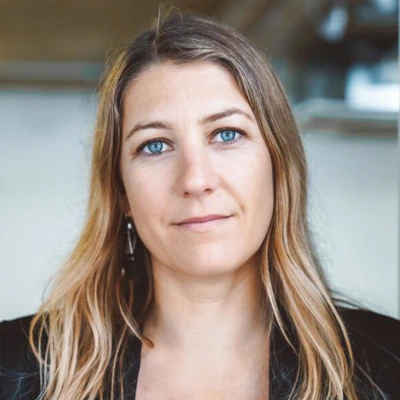
Amandine Le Pape (Head of Section – Business & Impact at the Open Source Academy, COO and Co-Founder of Element)
Session Chair: Matthias Stürmer (Professor at the Bern University of Applied Sciences (CH), Institute ‘Public Sector Transformation’)
European Digital Sovereignty is on everyone’s lips. European governments are making their intentions clear, with EU Member States signing the Declaration for European Digital Sovereignty, setting out landmark commitments to reduce Europe’s dependence on a small number of global platforms and to invest in trusted European infrastructures. Industry events have been popping up everywhere and governments are working hard to share knowledge and try to crack the problem. Open Source and Digital Commons are cornerstones of the solution, and the launch of the Digital Commons EDIC in December 2025 is a good example of the work being done.
But what is Digital Sovereignty, why is it important and why are Open Source and Digital Commons so central to it? And more importantly: What are the traps to avoid and best practices if we want to implement Digital Sovereignty successfully? Let’s pause and have a think.
Room: Champions Lounge (Catering Area)
Room: Champions Lounge
Link: Industry Day
Session Chair: Matthias Stürmer (Professor at the Bern University of Applied Sciences (CH), Institute ‘Public Sector Transformation’)
Speaker:
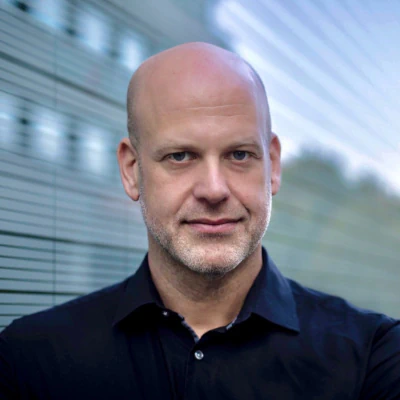
Frank Karlitschek (Co-Founder and CEO of Nextcloud)
Format: 30 minutes talk
We are moving toward a world in which the files of most users are hosted by four large companies in the United States of America. This applies to most private users, to businesses, as well as to educational and research institutions. If we want to preserve sovereignty over our data, protect our privacy, and prevent vendor lock-in, we need open-source, self-hosted, and federated alternatives. The Internet and the Web are built on a distributed and federated architecture; we must now ensure that cloud services follow this model as well.
Nextcloud is a fully federated, distributed, and open-source solution for data sharing, communication, and collaboration. Any organization and any home user can run a Nextcloud server at home or anywhere on the Internet and collaborate with others. Nextcloud can be used to provide file access, synchronization, sharing, calendars, contacts, and more in a distributed manner.
Speakers:
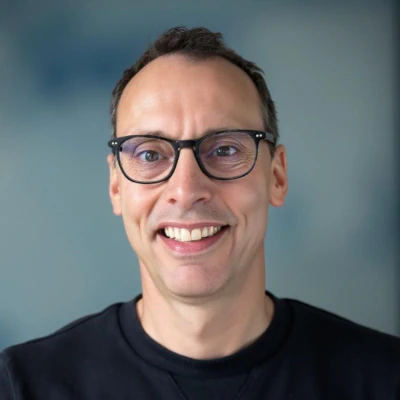
Christoph Schnidrig (Head of Technology, AWS Switzerland)
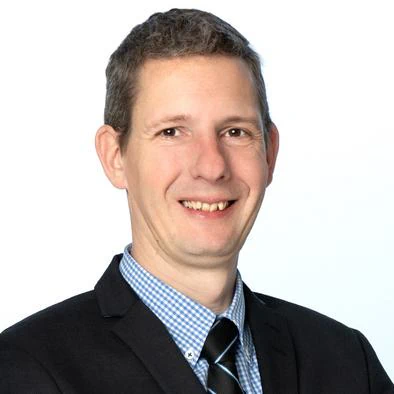
Daniel Caduff (Security Assurance Principal of the D/A/CH region at AWS)
Format: 30 minutes talk
Christoph Schnidrig will focus on the technical aspects of Cloud Sovereignty and on Open Source. Daniel Caduff will go into detail about regulatory requirements and compliance.
Speakers:
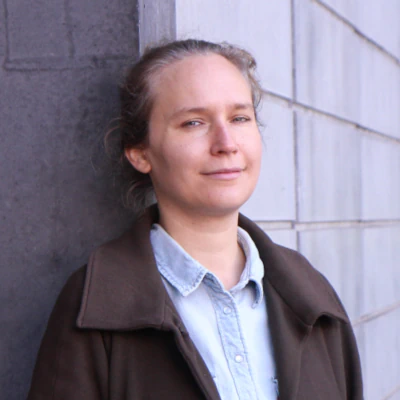
Adrienne Fichter (Political Scientist and Tech Journalist)
Amandine Le Pape (Head of Section – Business & Impact at the Open Source Academy, COO and Co-Founder of Element)
Frank Karlitschek (CEO of Nextcloud)
Format: 30 minutes discussion
Room: Champions Lounge (Catering Area)
Room: Champions Lounge
Link: Industry Day
Session Chair: Martin Glinz (Professor Emeritus at the University of Zurich (CH))
Speaker:
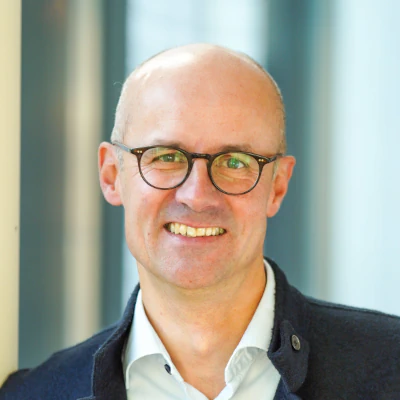
Alexander Hofmann (CTO of MaibornWolff)
Format: 30 minutes talk
AI is fundamentally changing our software engineering, and we are all part of this major transformation. This change affects more than just coding. It affects all phases — from digital design to software operation. The experience from our customer projects shows that this new agentic software engineering needs an AI development platform that meets compliance, security and reliability requirements.
The implementation of this sovereign AI platform at MaibornWolff was the key to getting the “Go” from more than 50 of our customers to use AI tools for software development in their projects. The presentation explains the structure of our AI development platform and shows how we use it, what is important and what it costs.
Speaker:
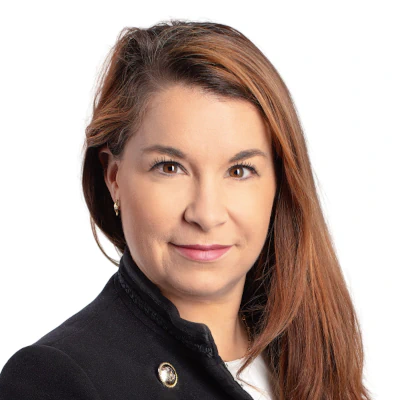
Carla Bünger (Vice President of the Board and Founder of Phoenix Technologies)
Format: 30 minutes talk
Digital autonomy is shifting from an ambition to a strategic necessity for Switzerland. As digital infrastructure underpins economies and public services, the key question is no longer whether to use it, but who controls it, under which jurisdiction, and with which dependencies.
True autonomy must extend across the entire digital stack — infrastructure, models, and applications — ensuring resilience, protection of intellectual property, and trusted governance of data and decisions. Without this end-to-end perspective, organizations risk replacing one dependency with another.
This session will explore how sovereign cloud solutions and AI enable true digital autonomy, highlighting Switzerland’s opportunity to take a leadership role by combining trusted legal frameworks, strong research ecosystems, and sovereign infrastructures for businesses and the public sector.
Speaker:

Dr. Joel Niklaus (Machine Learning Engineer at Hugging Face)
Format: 30 minutes talk
Room: Champions Lounge (Catering Area)
Room: Champions Lounge
Link: Industry Day
Session Chair: Stefan Sauer (Professor at the University of Paderborn (DE))
Speaker:
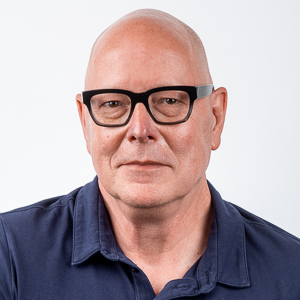
Dr. Axel Koldewey (CIO of adesso SE)
Format: 30 minutes talk
Die digitale Souveränität softwareintensiver Organisationen wird zunehmend durch die steigende Komplexität cloud-nativer Architekturen, proprietäre Plattformökosysteme und implizite Abhängigkeiten von Infrastruktur- und Tool-Anbietern herausgefordert. Während Internal Developer Platforms (IDPs) als Mittel zur Steigerung von Entwicklerproduktivität und Standardisierung etabliert sind, bleiben sie häufig statisch, toolzentriert und bieten nur eingeschränkte Kontroll- und Anpassungsmöglichkeiten im Hinblick auf souveräne Architektur- und Governanceentscheidungen.
Dieser Beitrag führt das Konzept der adaptiven Internal Developer Platform (aIDP) der adesso SE ein und positioniert es als technologischen Enabler digitaler Souveränität im Kontext des Platform Engineerings. Die aIDP wird als kontextsensitives, selbstadaptives Softwaresystem definiert, das durch eine strikte Trennung zwischen deklarativer Beschreibung von Entwicklerintentionen („What“) und regelbasierter, automatisierter Umsetzung („How“) die Kontrolle über Entwicklungs-, Architektur- und Betriebsprozesse systematisch stärkt. Zentrales Strukturprinzip sind Golden Paths, die als versionierte, parametrische und semantisch angereicherte Umsetzungspfade modelliert werden und projektspezifisch, nachvollziehbar und technologieagnostisch instanziiert werden können.
Eine integrierte KI-gestützte Intelligence-Ebene unterstützt die semantische Interpretation natürlicher Spracheingaben, die Analyse von Abweichungen zu definierten Standards sowie die adaptive Weiterentwicklung der Plattformlogik auf Basis von Nutzungs- und Laufzeitfeedback. Ergänzt wird dieser Ansatz durch ein semantisches Architektur-Metamodell, das Architekturentscheidungen, Domänenstrukturen und Designprinzipien formalisiert und mit Code- und Infrastrukturebene synchronisiert. Dadurch wird Architektur explizit kontrollierbar, auditierbar und evolvierbar – als zentrale Voraussetzung digital souveräner Softwareentwicklung.
Der vorgestellte Ansatz leistet einen Beitrag zur theoretischen Fundierung souveräner Plattformarchitekturen und zeigt, wie adaptive Internal Developer Platforms digitale Souveränität durch formalisierte Abstraktion, regelbasierte Steuerung und KI-gestützte Systemintelligenz nachhaltig unterstützen können.
Speaker:
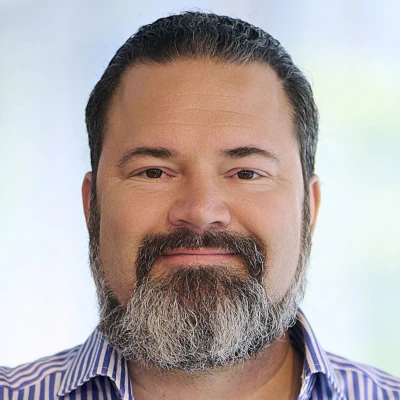
Dr. Elmar Jürgens (Founder of CQSE)
Format: 30 minutes talk
Viele Teams nutzen inzwischen glücklicherweise Testautomatisierung in großem Umfang. Allerdings entstehen dadurch oft Abhängigkeiten von einzelnen Test-Tool-Herstellern. Wenn diese die Preise erhöhen (oder das Tool abstellen sollten), wird es schmerzhaft. Denn nicht nur die teureren Lizenzen kosten Geld, sondern natürlich auch eine Migration zu einem anderen Test-Tool oder -Framework. Wenn man 10.000 Testfälle hat, und mehrere Stunden für die Migration jedes einzelnen Testfalls schätzt, wird das schnell sehr teuer. Wie können unsere Ansätze aus dem Software Engineering hier helfen?
Historisch gewachsene Test-Suites sind meistens hoch redundant. Eine Migration auf ein neues Testautomatisierungs-Tool ist daher auch eine Chance, diese Redundanz loszuwerden und dadurch einen großen Teil des Migrationsaufwands zu sparen. Konkret helfen Test-Minimierungsverfahren aus unserer Forschungscommunity hierbei, indem sie aus einer großen Suite die (hoffentlich möglichst kleine) Teilmenge ermitteln, die für sich genommen schon den Großteil der Fehler findet, die die gesamte Testsuite findet. Dann reicht es, wenn wir die migrieren.
Im Vortrag stelle ich vor, welche Erfahrungen wir mit welchen Minimierungsverfahren bei unseren Kunden gemacht haben, die ihre Test-Suites migrieren. Dabei gehe ich sowohl auf moderne, AI-basierte Testselektionsverfahren ein als auch “Old-School” Coverage-Messung, um zu verfolgen, wie viel die migrierte Test-Suite im Vergleich zur neuen bereits abdeckt, und zeige, welche Einsparungen dadurch erreicht wurden.
Speaker:

Till Gartner (Executive Board member of mgm technology partners)
Format: 30 minutes talk
Digital sovereignty is achieved through how software is structured, not through who delivers it.
Model-driven approaches place domain knowledge at the center, making the logic explicit, inspectable, and independent of technical implementation choices. By separating models from infrastructure and technology stacks, systems remain adaptable, auditable, and resilient over long lifecycles. Continuous quality assurance, security by design, and cloud-native operations become systemic properties rather than project-specific efforts.
In this way, digital sovereignty emerges as sustained control over change, complexity, and dependency.
Speaker:
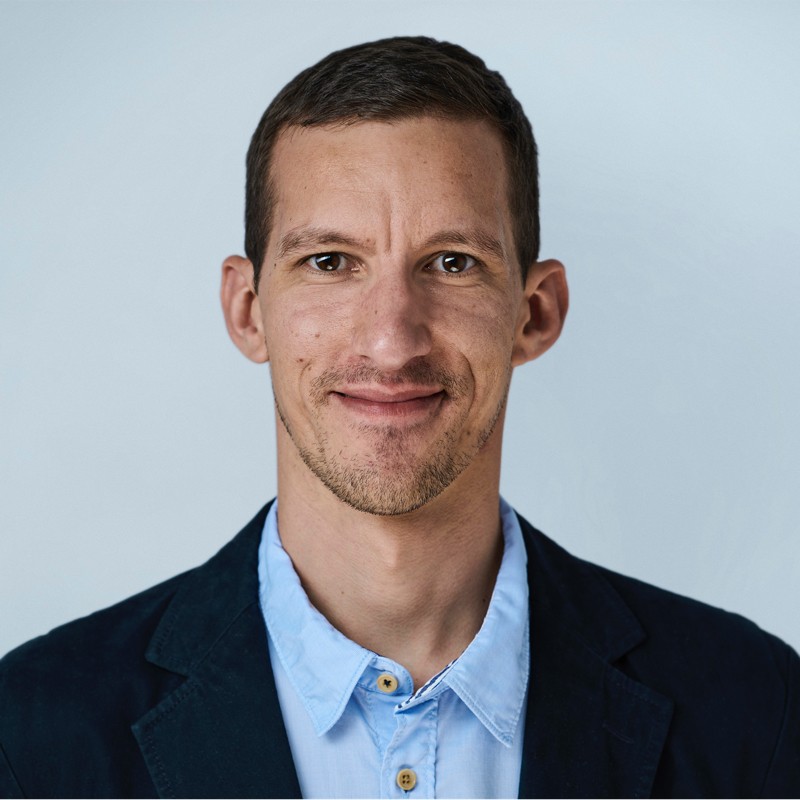
Dr. Vitor Bernardo (Head of Architecture, Market Unit Public Sector adnovum)
Format: 30 minutes talk
Custom software development in the public sector is no longer about writing every line of code yourself. It is about delivering business value while keeping total cost of ownership sustainable. If a system is too complex or too expensive to maintain, you are not truly sovereign over it, but hostage to the effort required just to keep the lights on.
Digital sovereignty is ultimately an architectural property: it depends on the trade-offs you make, the dependencies you accept, and whether you can still change direction five or ten years later.
Hence, achieving digital sovereignty requires viewing software architecture through the lens of collaborative governance. We need to prioritise low-maintenance (“Low Ops”) approaches and think in shared functional building blocks. With the EMBAG legislation, open source becomes more than a legal requirement — it is a key strategic asset to reduce complexity. By adopting Swiss-centric, community-proven standards, we can stop building custom silos and start managing a federated ecosystem.
This session explores how architecture and governance must work together to ensure the software we own today doesn’t end up owning us tomorrow.
In times of geopolitical uncertainty, frequent cyberattacks, and economic challenges, digital resilience has become an essential technical and organizational design goal for software systems. In this context, digital sovereignty plays a vital role in Europe. It fosters independence, strengthens competitiveness, and enhances innovation capacity.
Achieving and maintaining digital sovereignty is an ongoing process of research and development. Software engineering plays a decisive role in designing resilient software systems and ensuring digital sovereignty. It enables the development of solutions tailored to the specific needs of organizations and promotes independence from external providers.
Software engineering can make key contributions to digital sovereignty, e.g., through the development of independent solutions, the use and advancement of open-source software (OSS), the establishment of sovereign edge and cloud systems, and the control of data, processes, services, and technology. Moreover, independence from standardized solutions and the development of software engineering expertise foster innovation and contribute to the advancement of the digital landscape. These efforts help to reduce technological dependencies (vendor lock-in), strengthen cybersecurity, support successful digital transformation, and building key competencies.
In light of this importance, the Industry Day of SE2026 is dedicated to the topic of digital sovereignty and explores how software engineering can support its achievement and preservation. Experts from research and development will present and discuss practice-oriented and proven solutions from various perspectives.
Information about the speakers and panelists at the Industry Day of SE2026.